

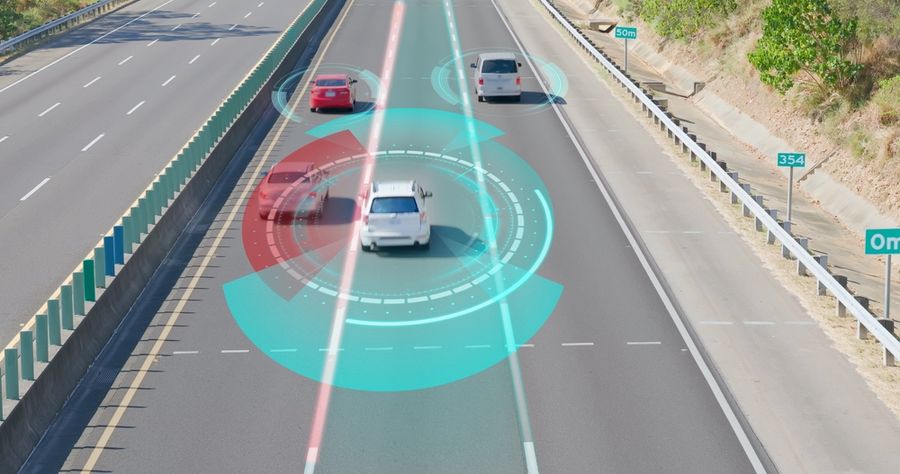
Modern vehicles offer far more than transportation from one destination to another. Advances in technology, safety, and convenience have transformed the driving experience, making everyday travel more comfortable and less stressful. Features that once appeared only in luxury vehicles are now commonly available across many segments and price ranges. From systems designed to improve safety to technology that enhances convenience behind the wheel, several innovations have become favorites among drivers who value both practicality and peace of mind.
Blind Spot Monitoring Adds Confidence on the Road
Blind spot monitoring has become one of the most appreciated safety features in modern vehicles. Using sensors mounted around the vehicle, the system detects cars traveling in adjacent lanes that may not be visible through mirrors alone. When another vehicle enters the blind spot area, a warning light typically appears in the side mirror, helping drivers make safer lane-change decisions.
Many systems also provide audible alerts or steering assistance if a driver attempts to move into an occupied lane. This extra layer of awareness can be especially valuable during highway driving, heavy traffic, or poor weather conditions. While drivers should always check mirrors and surroundings carefully, blind spot monitoring offers added confidence and helps reduce the likelihood of lane-change collisions.
360-Degree Camera Systems Simplify Parking
Parking in crowded lots or navigating tight spaces can be challenging, especially in larger vehicles. A 360-degree camera system uses multiple cameras positioned around the vehicle to create a bird's-eye view of the surrounding area. Drivers can see obstacles, curbs, vehicles, and pedestrians that might otherwise be difficult to spot from the driver's seat.
The feature is particularly useful when backing into parking spaces or maneuvering in narrow garages. Drivers gain a clearer understanding of their surroundings without relying solely on mirrors or guesswork. As vehicle sizes continue to grow and urban parking becomes increasingly limited, 360-degree camera systems have become one of the most practical and appreciated convenience features available today.
Adaptive Cruise Control Makes Long Drives Easier
Traditional cruise control allows drivers to maintain a set speed, but adaptive cruise control takes the technology much further. Using radar and cameras, the system automatically adjusts vehicle speed to maintain a safe following distance from traffic ahead. When another vehicle slows down, the system responds accordingly and then returns to the selected speed when traffic clears.
Drivers often appreciate this feature during highway travel, where maintaining consistent speeds over long distances can become tiring. Many advanced systems can even bring the vehicle to a complete stop in heavy traffic and resume movement when conditions allow. By reducing the need for constant speed adjustments, adaptive cruise control makes road trips and daily commutes more comfortable and less stressful.
Smartphone Integration Keeps Drivers Connected
Smartphone connectivity has quickly become an essential feature for many drivers. Systems such as Apple CarPlay and Android Auto allow users to access navigation, music, messaging, and phone functions directly through the vehicle's touchscreen display. This integration creates a familiar experience while reducing the need to handle a phone while driving.
Navigation apps provide real-time traffic updates, alternative routes, and estimated arrival times. Voice commands allow drivers to make calls, send messages, or select music while keeping their hands on the wheel. As smartphones continue to play a central role in daily life, seamless connectivity has become one of the most valued features in modern vehicles, offering both convenience and improved safety.
Automatic Emergency Braking Enhances Safety
Automatic emergency braking has become one of the most important advancements in vehicle safety technology. The system continuously monitors traffic conditions ahead and can detect potential collisions. If a driver does not respond quickly enough, the vehicle may automatically apply the brakes to reduce impact severity or avoid a collision altogether.
Many systems work alongside forward collision warnings that alert drivers before intervention becomes necessary. This technology is particularly valuable in situations involving sudden stops, distracted driving, or unexpected hazards. While no safety feature replaces attentive driving, automatic emergency braking provides an additional safeguard that many drivers appreciate. Its ability to react in critical situations has helped make it one of the most sought-after features in today's vehicles.
Technology That Improves Everyday Driving
Modern vehicle technology continues to evolve, but the most appreciated features tend to share a common purpose: making driving safer, easier, and more comfortable. Blind spot monitoring, 360-degree cameras, adaptive cruise control, smartphone integration, and automatic emergency braking address real-world challenges that drivers encounter every day. Rather than feeling like unnecessary gadgets, they provide practical benefits that enhance the overall driving experience.
As manufacturers continue introducing new innovations, many of today's most popular features are likely to become standard equipment in the future. Drivers increasingly expect vehicles to offer both advanced safety systems and convenient technology, creating a driving environment that is more connected, confident, and enjoyable than ever before.